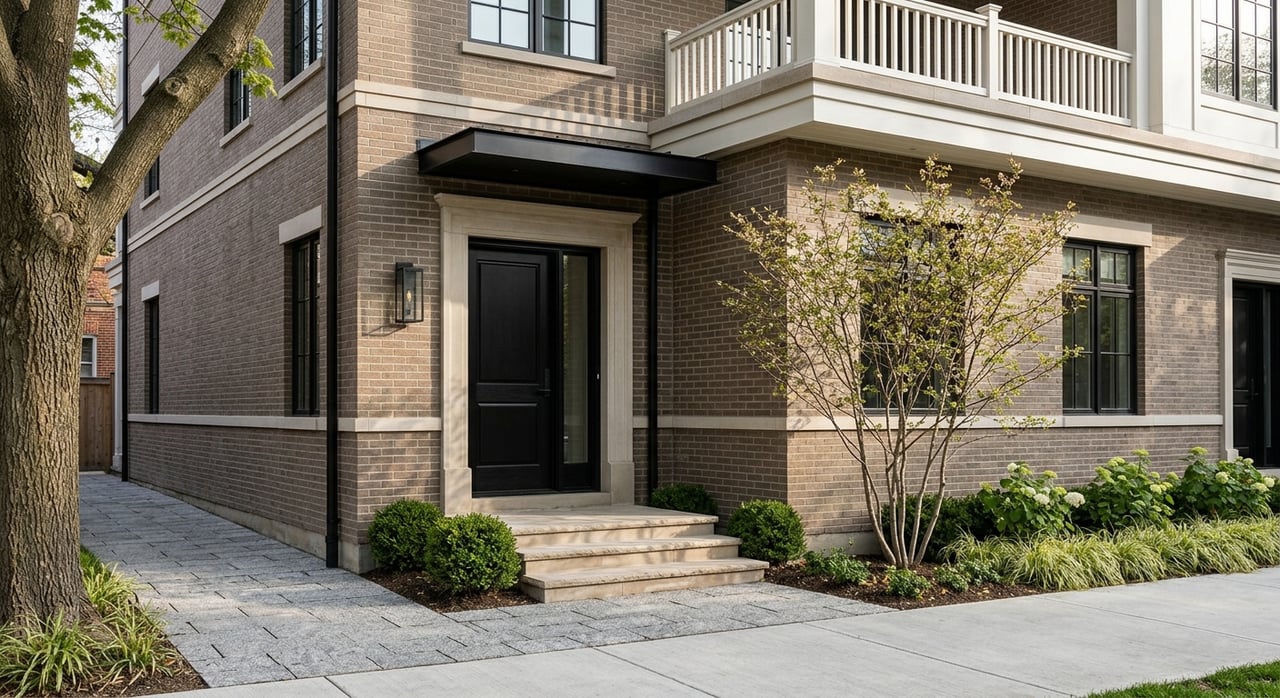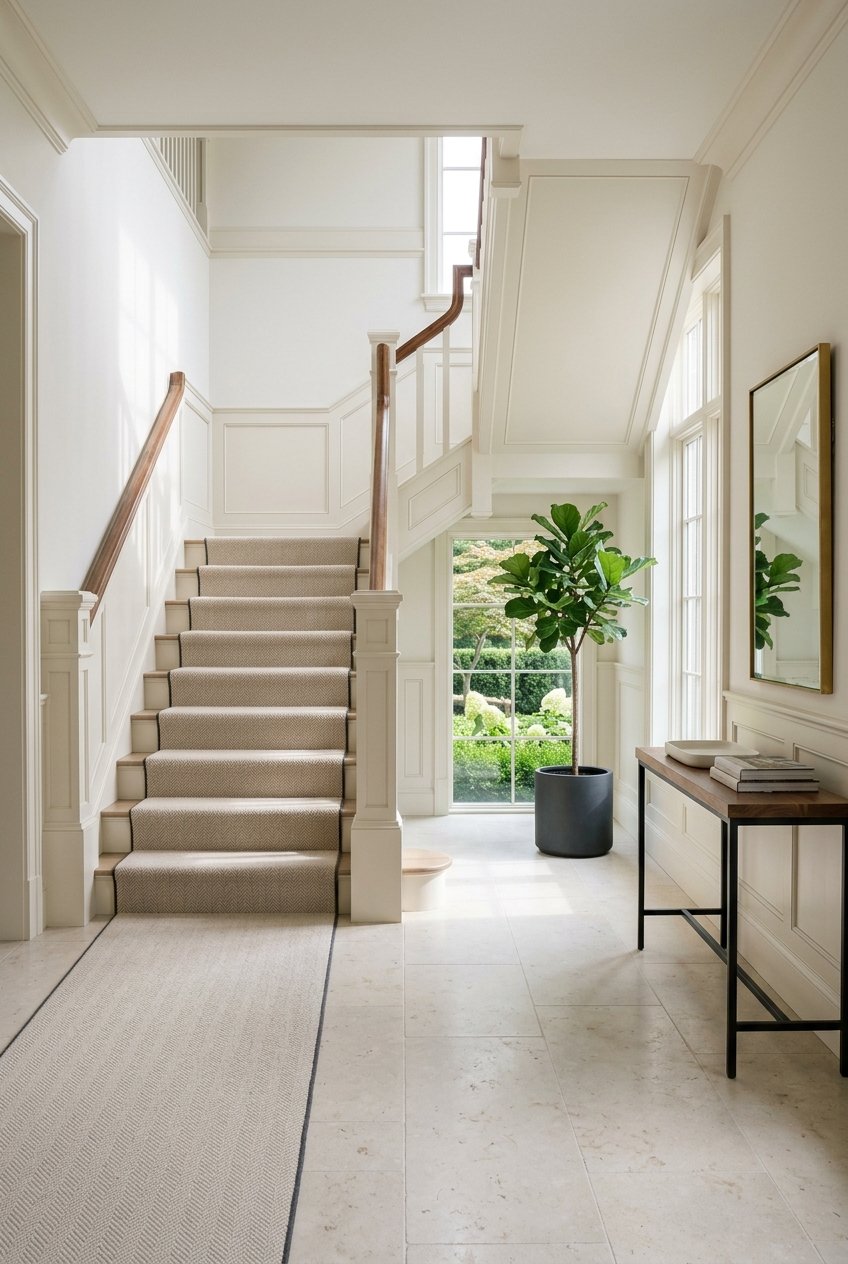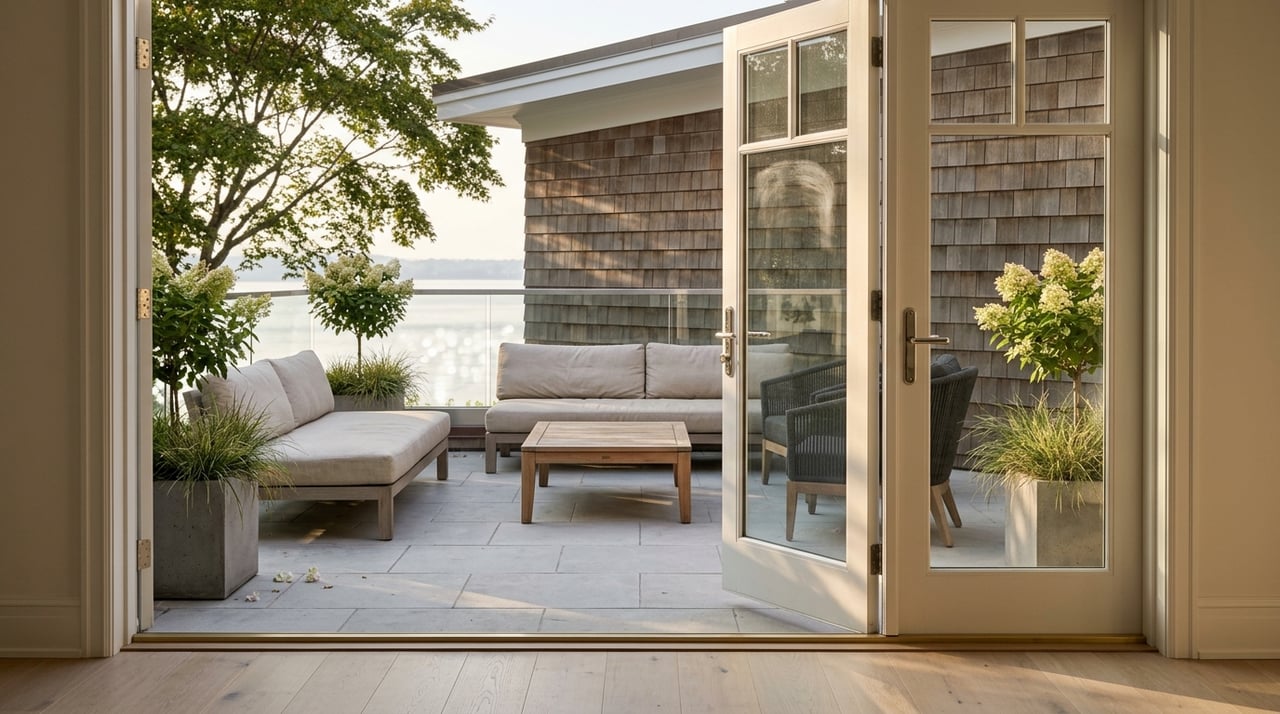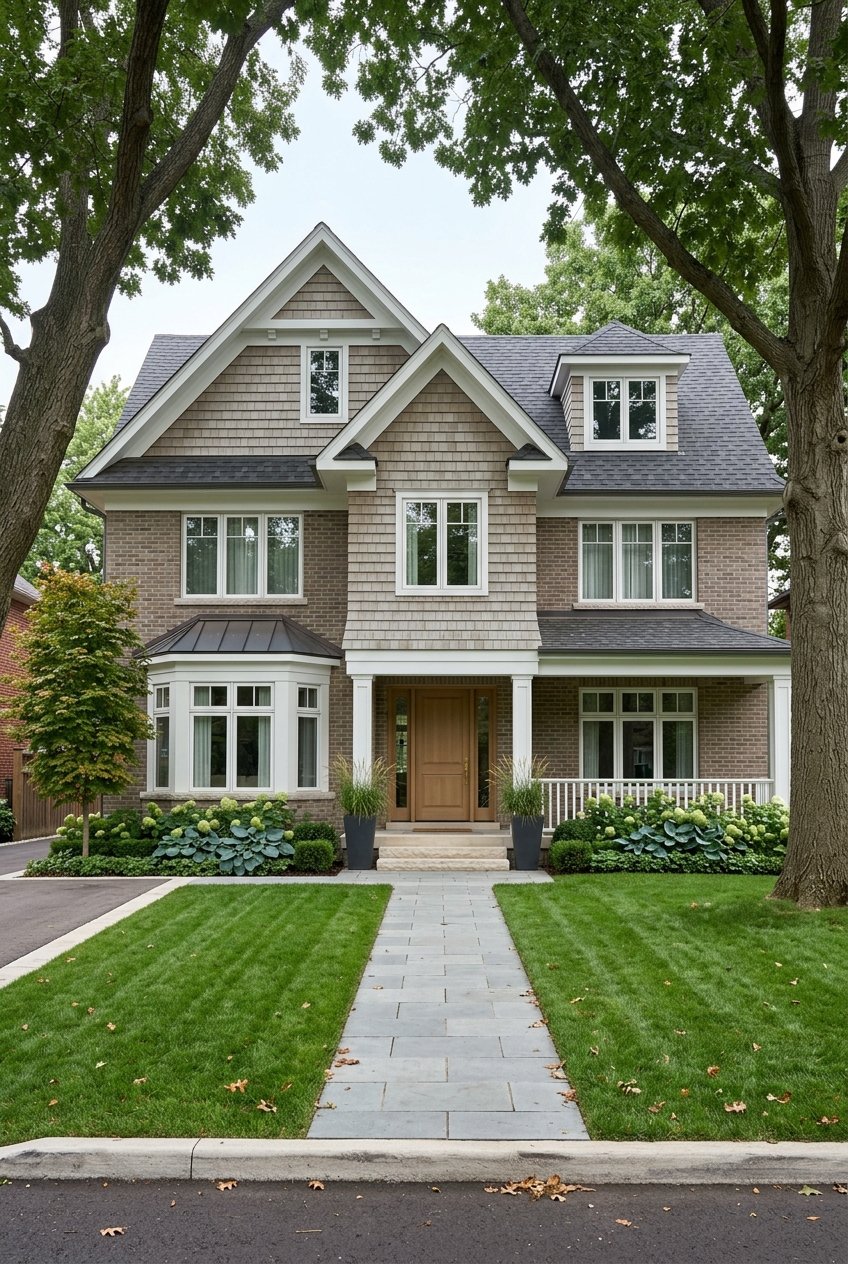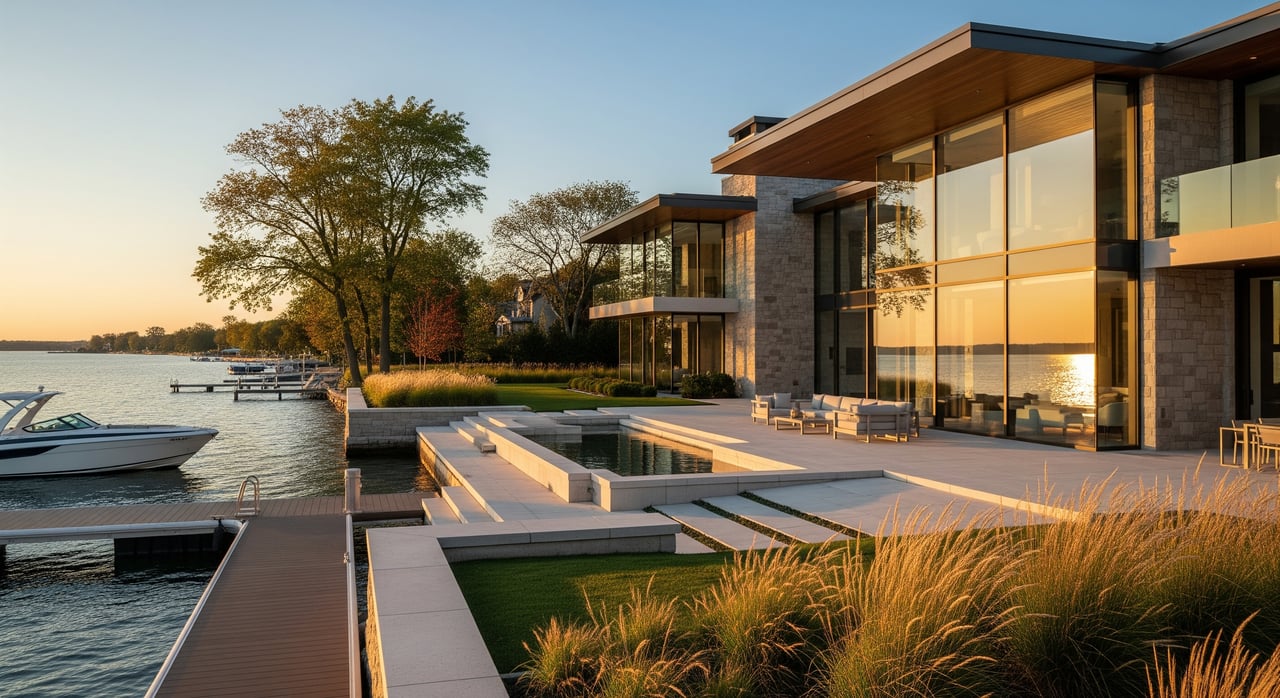
Eyeing a lake-adjacent estate in Lorne Park or a penthouse near Port Credit, but unsure where to start? Buying luxury property in Mississauga can feel complex, especially when price points, financing rules, and private listings come into play. You want a clear path and a trusted process that protects your time, privacy, and investment. This guide gives you a practical blueprint for the Mississauga market so you can buy with confidence. Let’s dive in.
What “luxury” means in Mississauga
Mississauga is a major city in the west GTA with about 717,961 residents as of the 2021 Census. It draws buyers who want space, access to the lake, and strong connections to Toronto and Pearson Airport.
In the GTA, many treat homes over roughly $2 million as luxury, though expectations vary by area. It helps to think in price bands: $1M to $2M, $2M to $4M, and $4M plus. Your search strategy, financing, and appraisal dynamics often shift as you move up those bands.
Key luxury enclaves and property types include:
- Lorne Park and Mineola: large lots, mature streets, custom homes, and estate-style properties.
- Rattray Marsh and Clarkson waterfront: near-water and waterfront homes with a nature-forward setting.
- Port Credit and Old Port Credit: a mix of waterfront houses, townhomes, and higher-end condos and penthouses.
- Select pockets near the Creditview and Hurontario corridors: newer luxury infill and custom builds.
- Master-planned redevelopments in South Mississauga, including the Lakeview area, offering upscale condos and townhomes.
Many buyers compare Mississauga to Toronto, Oakville, and Burlington. You will see trade-offs in lot size, commute, and municipal costs. The right choice comes down to how you live, not just price per square foot.
Set your financing early
High-value purchases require a precise financing plan. In Canada, properties priced at $1,000,000 or more cannot be insured by mortgage insurers. That means you will use an uninsured conventional mortgage.
What to expect:
- Down payment: Plan for at least 20 percent down on the mortgage portion since insurance is not available above $1 million.
- Qualification: Lenders apply a stress test and often use a qualifying rate higher than your contract rate. High-value loans come with stronger documentation standards, including proof of income, assets, and explanations for large deposits.
- Cash and private banking: Many luxury buyers use cash or private bank solutions that look at your overall wealth and liquidity, not just employment income.
Get a written pre-qualification from a mortgage professional who handles high-net-worth files. It will help with private showings and negotiations later.
Map your search by property type
The right fit often starts with the lifestyle you want:
- Estate homes on large lots: common in Lorne Park and Mineola. Expect mature trees, privacy, and space for amenities.
- Waterfront and near-water homes: focus on Port Credit and Clarkson. Views and access drive value here.
- Custom and luxury infill: newer builds with modern systems and designer finishes in established pockets.
- Luxury condos and penthouses: often clustered near Port Credit and South Mississauga’s lakeside, with higher-end amenities and services.
- Redevelopment zones: master-planned areas like Lakeview can offer upscale townhomes and condos with a long-term vision.
If you are undecided, shortlist two neighborhoods and two property types. Tour several examples in each. You will quickly see what matches your daily rhythm and long-term plan.
Plan your timeline and budget
Luxury transactions move at a thoughtful pace. Build a realistic schedule and a complete cost picture before you write an offer.
Typical timeline
- Search and shortlist: 2 to 12 weeks, sometimes longer for very specific criteria.
- Condition period: 7 to 21 days for financing and inspections. Complex properties may need more time.
- Closing: 30 to 90 days depending on financing, occupancy needs, and legal documentation.
Costs beyond the purchase price
- Deposit on offer: commonly 1 to 5 percent, sometimes larger or staged for luxury deals.
- Ontario land transfer tax: payable on closing. Mississauga does not add a municipal land transfer tax.
- Legal fees and disbursements: complexity can increase cost.
- Title insurance and closing adjustments: utilities, property taxes, and condo fee adjustments if applicable.
- Home insurance: higher premiums are common for luxury finishes, pools, or waterfront exposure.
- Property taxes and maintenance: landscaping, pool care, security, and property management.
- Renovation and contingency: budget for upgrades or unexpected items.
Off-market access and privacy
At the high end, some sellers prefer quiet or private marketing. These off-market or pocket opportunities are shared through agent relationships and vetted buyer lists.
How private access usually works:
- Vetting: Sellers often ask for proof of funds or pre-qualification before approving a private showing.
- Controlled showings: Appointments are limited and may include confidentiality agreements.
- Pricing checks: Since price discovery is harder off-market, you and your agent should validate value with recent comparables and relevant adjustments.
Questions to ask your agent:
- How do you source off-market opportunities and verify pricing fairness?
- What documentation is needed to secure private showings?
- How will you handle confidentiality and any potential conflicts?
Write a stronger offer in the luxury tier
Luxury offers often include expanded conditions and clear timelines. Expect your agreement to cover items that a standard purchase might not.
Smart inclusions:
- Financing: extra time for lender review and appraisal by a luxury-experienced appraiser.
- Inspections: beyond a general home inspection, consider structural engineers, pest specialists, and environmental assessments for properties near floodplains or former industrial sites.
- Survey and lot checks: confirm boundaries, easements, and encroachments. Review any deed restrictions or heritage issues.
- Permits and renovation history: confirm municipal permits for additions or major work. Unpermitted work can affect insurance and resale.
- Condo due diligence: for penthouses or luxury condos, obtain the status certificate, reserve fund details, board minutes, and service contracts.
- Utilities and servicing: verify capacity and condition of HVAC, electrical, sewer or septic, and any specialty systems.
Understand appraisal differences at the top end
Valuing unique estates or highly customized homes can be more subjective due to fewer true comparables. Lenders may require appraisers with local luxury experience. For bespoke properties, appraisals may lean on replacement cost and detailed adjustments for high-end finishes. Build time into your conditions so lenders and appraisers can complete a thorough review.
Custom vs turnkey: choose your path
You can buy move-in-ready, renovate, or build your own custom home. Each path has trade-offs.
Custom build or major renovation
- Pros: full control of layout, systems, and finishes; potential to create long-term value on a premium lot.
- Cons: longer timelines, permit and zoning risk, cost overruns, and contractor reliability risk.
- Due diligence: verify builder reputation, scopes and fixed-price terms, lien holdbacks, municipal permits, engineering reports, and warranties.
Turnkey or move-in-ready
- Pros: faster occupancy, predictable upfront costs, and easier appraisal support.
- Cons: design compromises and a premium for high-quality finished product.
- Due diligence: inspect for deferred maintenance and confirm records for roofs, HVAC, and electrical. For condos, review monthly fees and reserve fund health.
Hybrid strategies
- Buy a desirable lot with a livable home and plan a rebuild later.
- Purchase a turnkey property now and renovate selectively over time.
For international and non-resident buyers
If you are buying from abroad, plan for stricter lending standards, higher down payment expectations, and additional documentation. Ontario has applied a non-resident speculation tax in the past for purchases in parts of the Greater Golden Horseshoe. Rules and exemptions can change. Speak with a tax lawyer and review current provincial guidance before you write an offer.
You should also consider income tax implications if you plan to rent the property, capital gains rules on future sale, and any municipal vacancy policies if they apply.
Work with an advisor who knows the luxury playbook
Luxury transactions are not just larger versions of standard deals. They involve privacy protocols, nuanced appraisals, custom inspections, and negotiations that balance value and discretion. You deserve a team that can source the right homes, structure protective conditions, and execute a smooth close.
If you want a thoughtful, confidential search and expert negotiation across Mississauga’s top enclaves, connect with Jane Weatherhead. You will gain seasoned guidance, access to both public and private opportunities, and a clear, step-by-step plan from shortlist to keys.
FAQs
What counts as a luxury home in Mississauga?
- In the GTA, many buyers view properties at roughly $2 million and above as luxury, but expectations vary by neighborhood and property type.
How much down payment do I need for a $1M plus home?
- For properties priced at or above $1,000,000, mortgage insurance is not available, so plan for at least 20 percent down on the uninsured mortgage portion.
Are there extra taxes when I buy in Mississauga?
- You will pay Ontario’s land transfer tax at closing, and Mississauga does not charge an additional municipal land transfer tax.
How long does a luxury purchase usually take?
- Many buyers search for 2 to 12 weeks, allow 7 to 21 days for conditions, and close in 30 to 90 days depending on financing and logistics.
How do off-market listings work for luxury homes?
- Sellers often require proof of funds and pre-qualification before private showings, and pricing should be validated with recent comparables and careful analysis.
What inspections should I add for an estate property?
- Beyond a general inspection, consider structural engineers, pest specialists, environmental reviews, current surveys, and permit history checks.
How are unique luxury homes appraised?
- Appraisers use comparable sales where possible and may rely on replacement cost and specialized adjustments when comps are limited.
What should non-resident buyers know before purchasing?
- Expect stricter lending requirements and review the latest provincial rules on non-resident taxes with a qualified tax professional before making an offer.