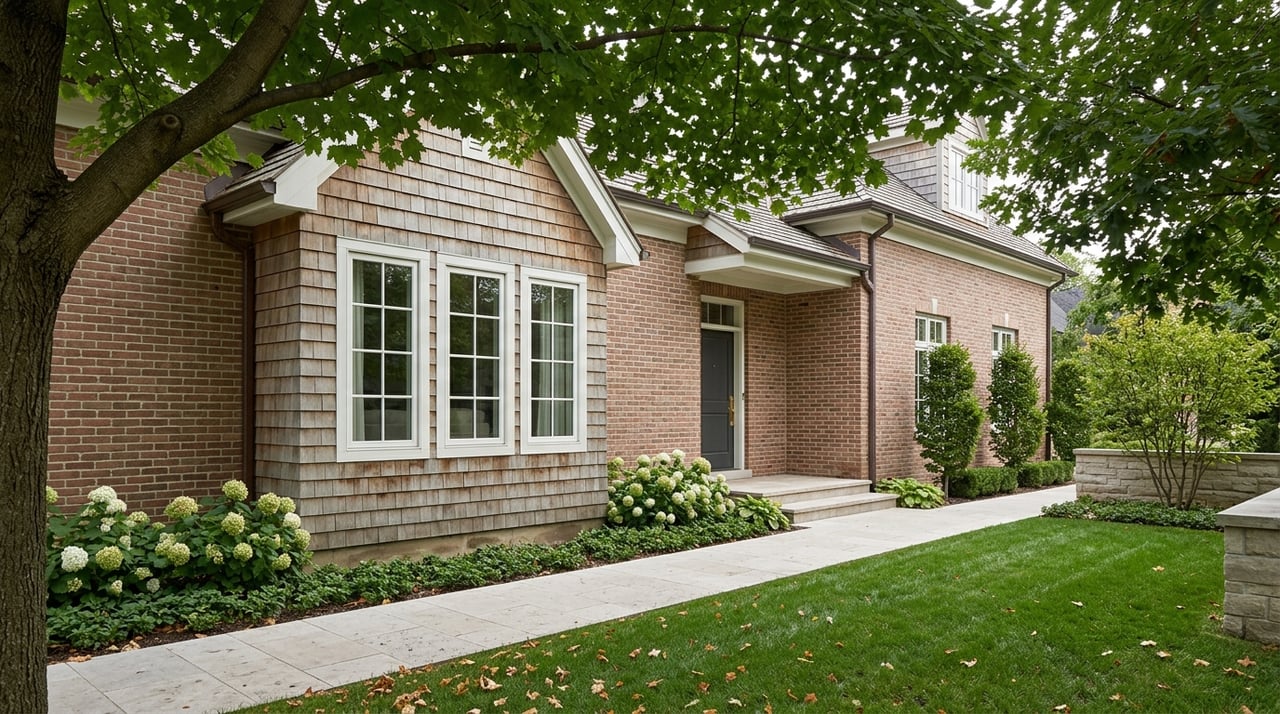
Wondering whether the “right” West Oakville lot is the biggest one you can buy? In an established South Oakville area, that is rarely the full story. If you are planning a custom build, the better question is whether a specific parcel can support your vision with the fewest surprises. Let’s dive in.
Why West Oakville lot selection is different
West Oakville is not a blank-slate subdivision where every lot follows a similar template. It is an established residential area shaped by existing lot patterns, mature trees, street character, and planning rules intended to support compatibility within stable neighbourhoods.
That matters because your custom home is judged in context. In Oakville, the key issue is often not just lot size, but whether the parcel can realistically accommodate your desired home, outdoor features, tree retention, and approval pathway.
Start with zoning, not square footage
Before you fall in love with a property, confirm its exact zoning on Oakville’s official zoning map. South of Dundas Street, Zoning By-law 2014-014 controls land use, building location, height, and other development standards.
This step is essential because two lots in the same broader area can allow very different outcomes. The neighbourhood name may sound consistent, but the exact zoning designation, including any suffixes or special provisions, is what shapes the buildable envelope.
RL zones can change the plan
Oakville’s RL zones vary widely. For example, RL1 requires a minimum lot area of 1,393.5 square metres, 30.5 metres of frontage, 10.5-metre front and rear yards, 30 percent dwelling coverage, and a maximum dwelling depth of 20 metres.
By contrast, RL6 allows a minimum lot area of 250 square metres and frontage of 11 metres, with a 3-metre front yard and 7-metre rear yard. That is a major difference, and it shows why frontage, setbacks, and coverage can matter more than the headline lot size.
Why suffixes and corner conditions matter
Some lots have suffixes or corner-lot conditions that can modify the standard rules. A parcel that looks ideal at first glance may become less flexible once those details are reviewed.
If you are comparing lots for a custom build, look closely at frontage, setbacks, height, lot coverage, and depth together. Those numbers shape whether your architect can comfortably fit the house you want, or whether you will be forced into compromises early in the design process.
The best lot supports your build program
A custom build usually involves more than just the house itself. You may also be thinking about a pool, garage configuration, landscaping, privacy, or how the rear yard will function.
That is why the right lot is the one that matches your full build program. In West Oakville, a larger lot is not automatically better if tree constraints, setback limits, or site conditions reduce what you can actually build.
Think about orientation and fit
Oakville’s design guidance for stable residential communities calls for new development to respond to lot patterns, street edges, dwelling placement, orientation, vegetation, and topography. In simple terms, your house needs to fit the lot and the surrounding streetscape.
Orientation affects more than sunlight. It can influence privacy in the yard, how the home sits on the street, and how easily your design can respect setbacks and separation distances.
Mature trees can shape the entire project
In West Oakville, mature trees are often one of the biggest hidden variables. A lot may look perfect on paper, but tree preservation rules can significantly affect what can be removed, what must remain, and how construction is organized.
Oakville requires a permit to remove private trees that are 15 cm DBH or larger. When tree removal is tied to development, the town may require an arborist report and tree protection measures during construction.
Tree constraints affect design freedom
Tree protection zones and barriers can narrow the usable building area. The town’s tree canopy preservation procedure also links replacement expectations to remaining canopy cover on residential lands south of Dundas Street.
For you, that means clearing a site for a new build may not be as simple as it appears. A lot with mature trees can still be an excellent opportunity, but only if the planned house, driveway, outdoor spaces, and servicing can work around those constraints.
Lake and creek proximity can add complexity
West Oakville’s appeal often includes proximity to Lake Ontario and other natural features. That can add lifestyle value, but it can also introduce another level of due diligence.
Conservation Halton regulates watercourses, valleylands, wetlands, the Lake Ontario shoreline, hazardous lands, and lands adjacent to those features. Oakville also identifies flooding and shoreline erosion as real site issues.
Waterfront appeal should be balanced with approvals
A lake-adjacent or creek-adjacent property may offer strong long-term appeal, but it can come with added engineering, servicing, insurance, and approval considerations. In practical terms, the right lot is not just the one with the best view or closest water access.
It is the lot where the lifestyle benefits still make sense once the regulatory and site-specific realities are understood. That distinction is especially important when you are comparing two premium parcels with very different development friction.
Teardown timing is not always straightforward
If you are buying a property mainly for the land, it is easy to assume demolition comes first and design follows. In Oakville, the process is more connected than that.
The town states that a demolition permit can only be issued once the replacement building permit is ready to issue. Demolition applications may also require pre-permit clearances that can take six to eight weeks.
Why sequencing matters
This affects both timing and risk. If you are planning a teardown, you need to understand early whether zoning, tree issues, engineering concerns, and permit sequencing support your desired timeline.
Oakville also notes that most renovation, construction, demolition, and new-house projects require permits, and zoning rules still apply even when a separate building permit is not required. That makes early diligence especially important for buyers who want a smoother path from closing to construction.
Heritage, easements, and engineering records matter
Some of the most important lot issues are not visible during a first showing. Oakville advises buyers to check whether a property is on the heritage register and whether heritage approval may be needed.
The town also recommends reviewing engineering records for easements or municipal infrastructure on the site. These issues can narrow where and how you build, even on an otherwise attractive parcel.
Teardown or renovated home?
Not every custom-home buyer needs a teardown. In some cases, an already-renovated or partially renovated property may be the smarter choice.
A teardown works best when the lot clearly supports the intended house, pool, garage, landscaping, and approval path. If those conditions are tight, a renovated home may offer better value by avoiding some of the uncertainty tied to demolition, tree work, and new-house permitting.
Land value still drives the decision
In premium West Oakville buying, the existing structure is often secondary to the buildability of the land. But buildability should be tested carefully, not assumed.
That is why the best lot is not always the empty lot or the most expensive lot. It is the parcel that best supports your goals after zoning, site constraints, tree conditions, and any shoreline or hazard issues are fully reviewed.
A practical checklist for West Oakville lots
If you are comparing opportunities, these are the questions worth asking before you commit:
- What is the exact zoning designation for the lot?
- Are there suffixes, corner-lot rules, or special provisions that change the standards?
- What are the key requirements for frontage, setbacks, lot coverage, height, and depth?
- Are there private trees subject to removal permits, arborist review, or protection zones?
- Is the lot near a regulated shoreline, creek, floodplain, or other hazardous land?
- Would a demolition require a replacement building permit to be ready first?
- Are there heritage, easement, or municipal engineering-record issues on the property?
Why local guidance makes a difference
In West Oakville, the margin between an excellent custom-build lot and a frustrating one can be surprisingly small. Two parcels may appear similar online, yet offer very different outcomes once planning rules and site conditions are tested.
That is where experienced local guidance matters. When you understand how zoning, trees, demolition timing, and site context work together, you can make a more confident decision and avoid paying premium pricing for a lot that does not truly support your plans.
If you are evaluating a West Oakville property for a custom build, working with an advisor who understands luxury lots, rebuild strategy, and Oakville’s established residential context can save time and protect value. To discuss your goals with a discreet local expert, connect with Jane Weatherhead.
FAQs
What should you check first on a West Oakville lot for a custom build?
- Start with the exact zoning designation on Oakville’s official zoning map, then review frontage, setbacks, lot coverage, height, and any suffixes or special provisions.
Why do mature trees matter when buying a West Oakville building lot?
- Mature trees can affect where you build, what can be removed, whether an arborist report is needed, and how much flexibility you have during construction.
Can you demolish a house in Oakville before finalizing new-build plans?
- Oakville states that a demolition permit can only be issued once the replacement building permit is ready to issue, and pre-permit clearances may add several weeks.
Are lake-adjacent West Oakville lots always better for a custom home?
- Not always. Lake proximity can be appealing, but shoreline, flood, hazard, engineering, and approval issues may affect how practical the lot is for your intended build.
Is a teardown always the best option for a custom-home buyer in West Oakville?
- No. If zoning, tree conditions, approvals, or site constraints are tight, an already-renovated or partially renovated home may be the more efficient and lower-risk purchase.